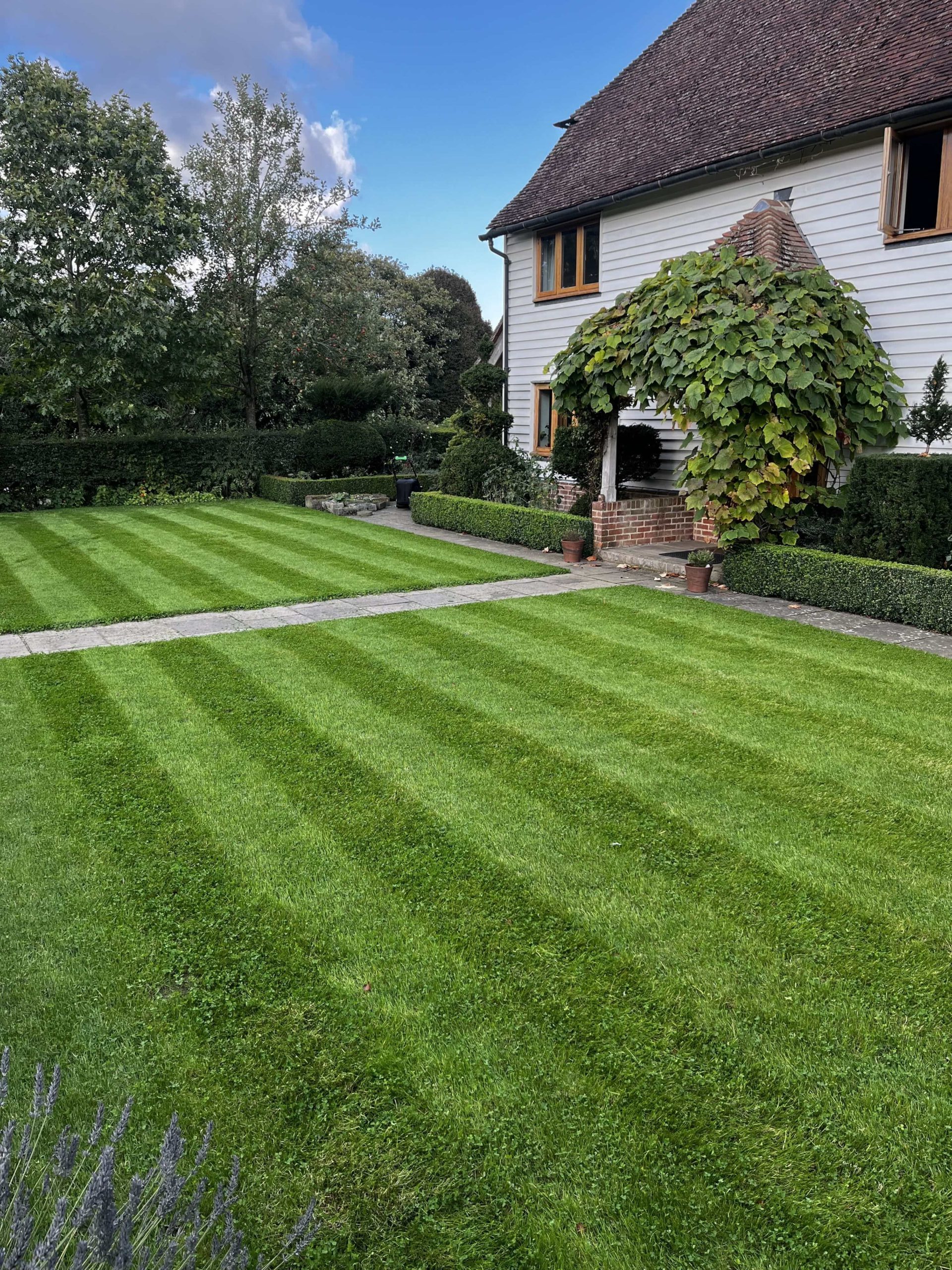
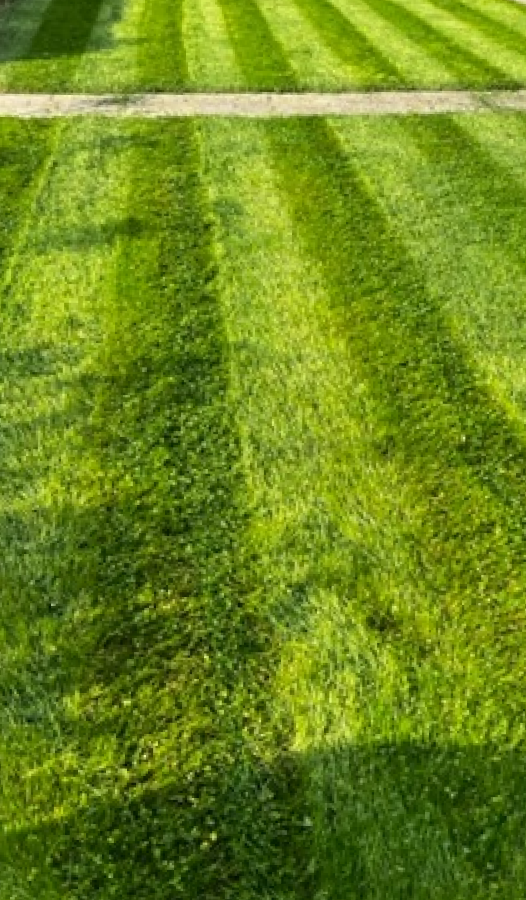
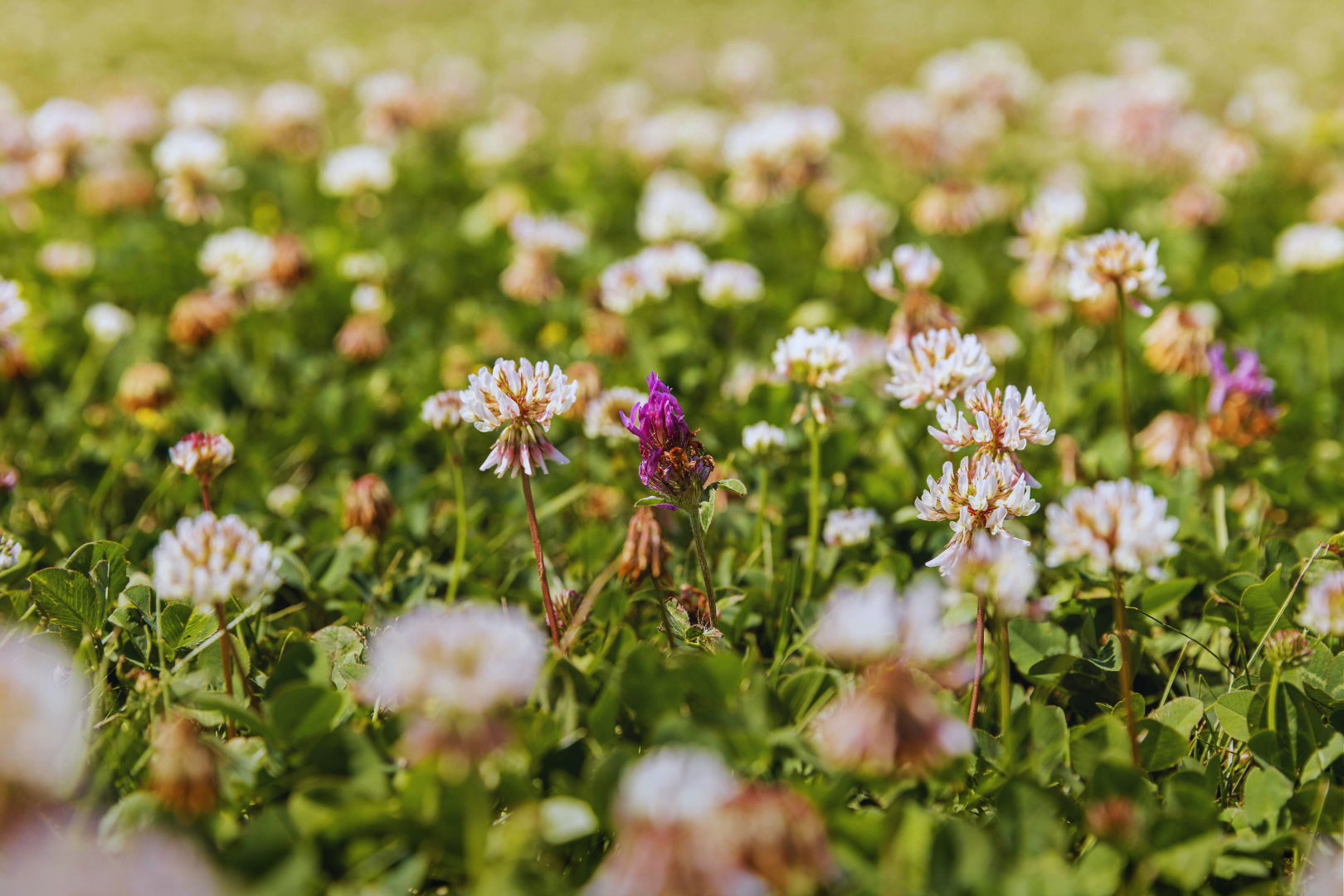
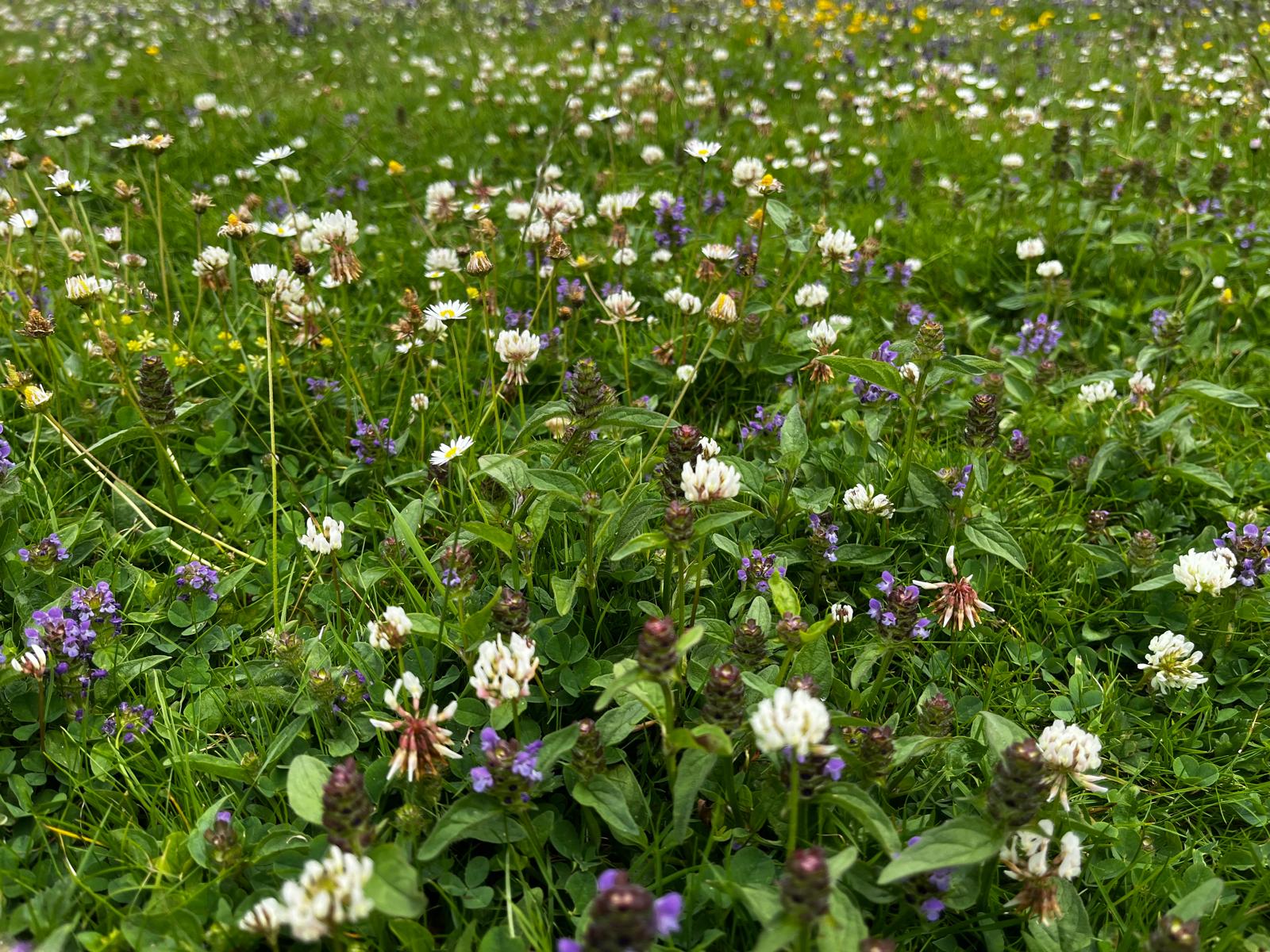
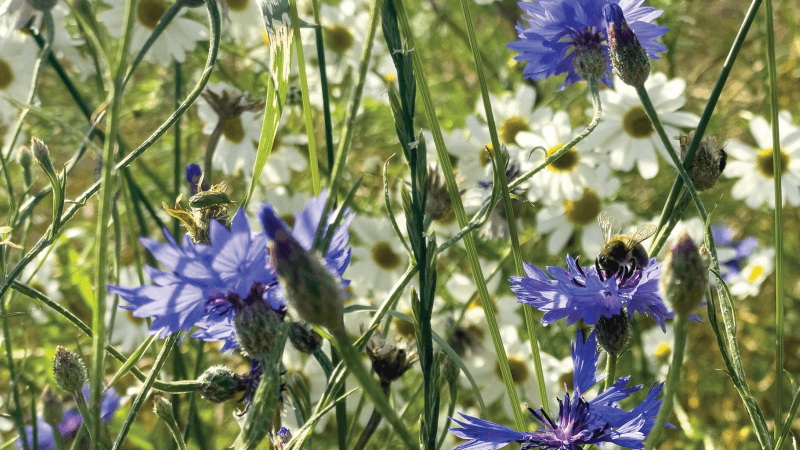
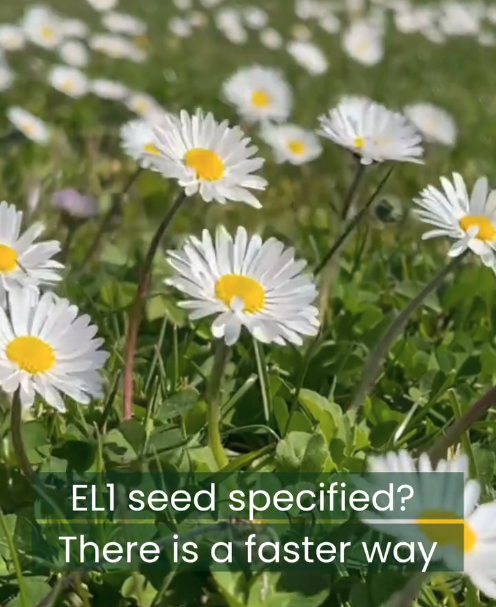
First, decide whether you actually mind. “Weed” is a judgement rather than a category, and a lot of what turns up in a new lawn is doing useful work. Clover feeds bees and fixes its own nitrogen. Daisies, selfheal and bird’s-foot-trefoil all support pollinators. The RHS makes this point too: rather than chasing a uniform all-grass sward, many gardeners now let some of it stay and end up with a more interesting lawn for it. In small numbers, none of it is a problem.
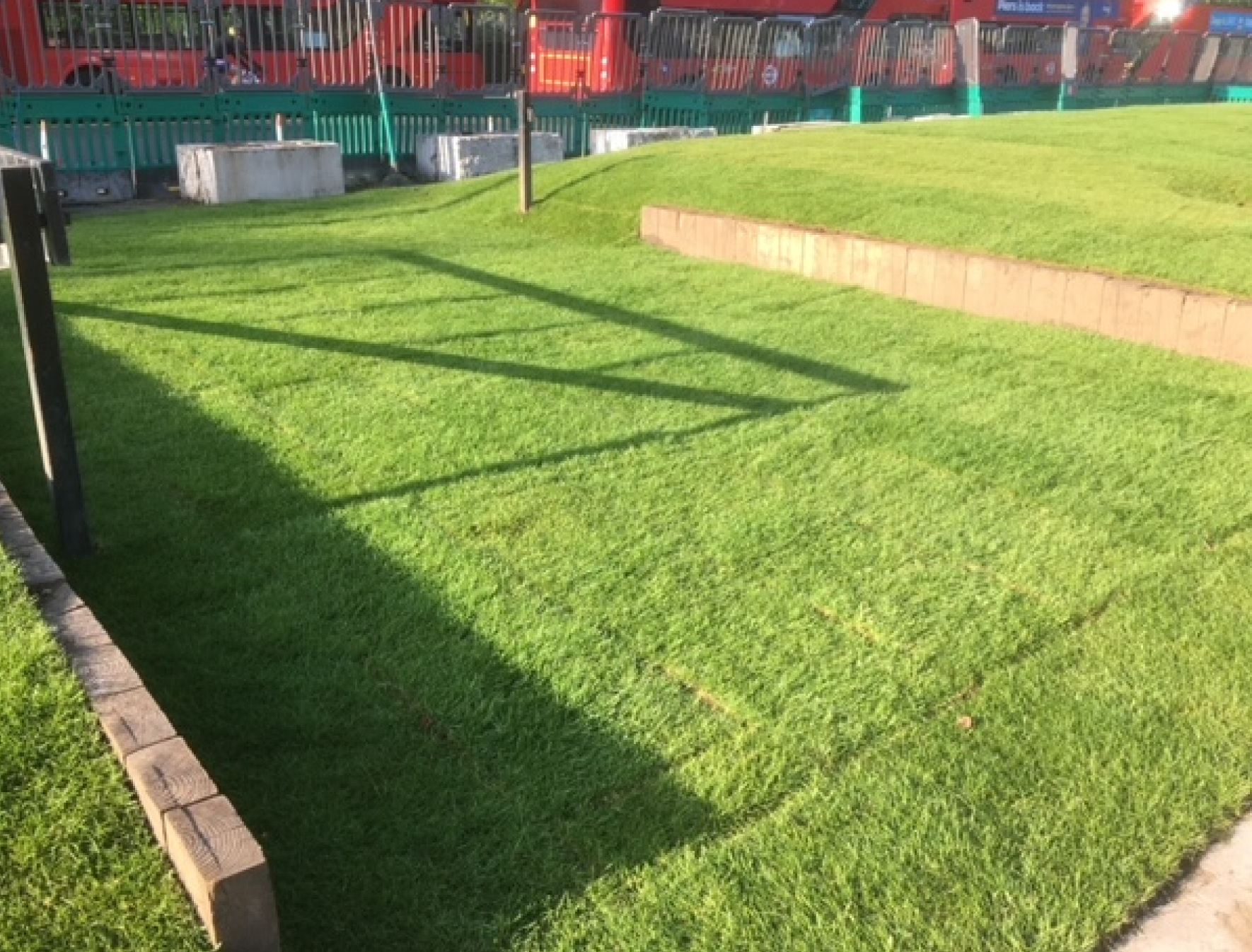
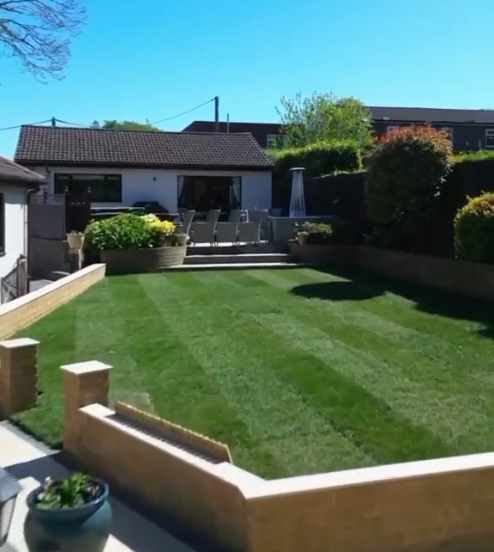
If something is genuinely taking over, the first thing to look at is the lawn rather than the weed. Weeds get a foothold where grass is thin or struggling, so a dense, well-fed, properly mown sward is the best long-term control there is. Mow high rather than short, never take more than a third of the leaf at once, keep the blades sharp, and water properly through establishment.
For individual offenders, hand weeding is the most reliable approach and the easiest to target. Most lawn weeds lift out readily, particularly when the soil is damp and you catch them early. A daisy grubber or an old kitchen knife will deal with rosette-forming weeds like dandelion and plantain.
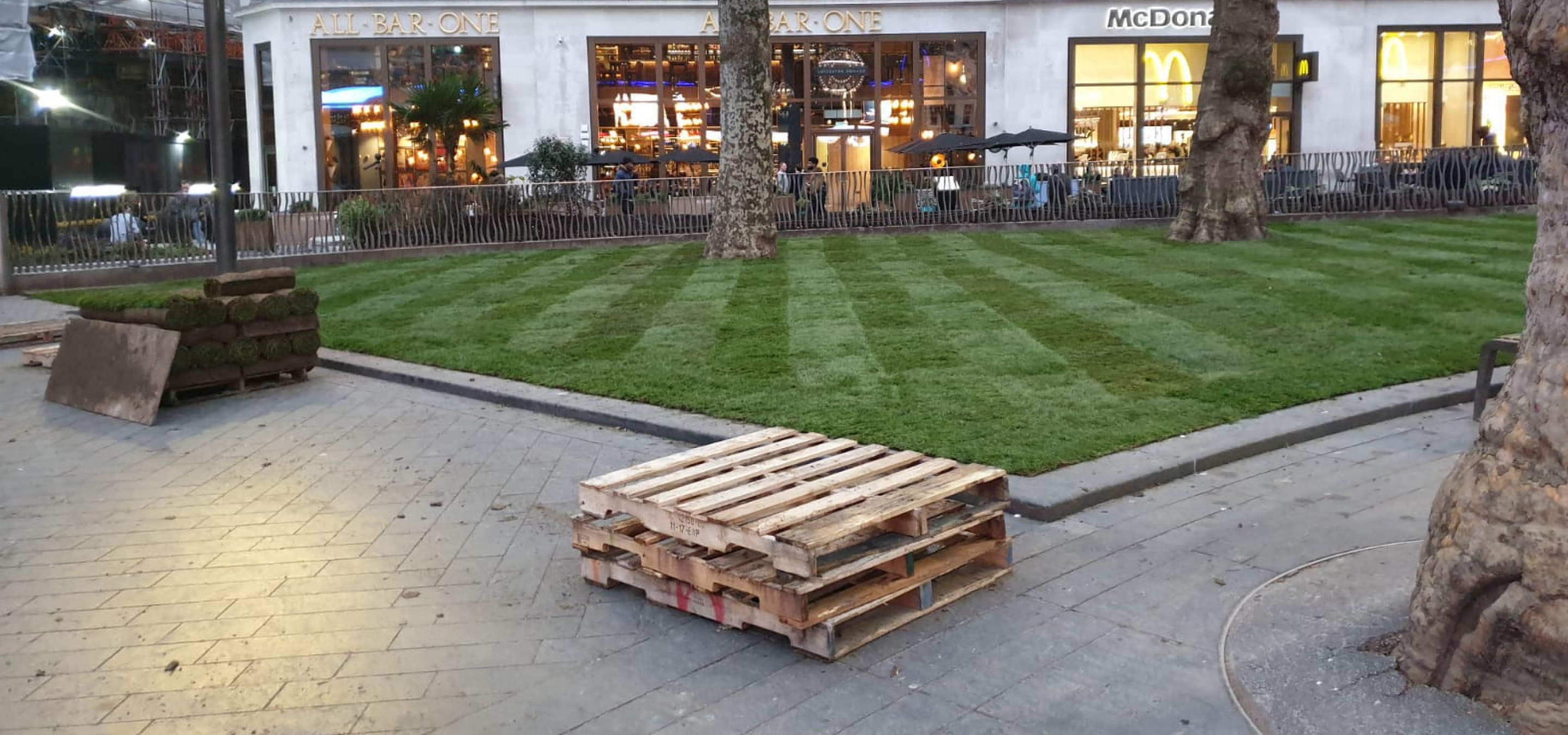
Selective lawn weedkillers exist and will work, but treat them as a last resort. The RHS does not recommend them, they reduce the biodiversity of your lawn, and clopyralid, a common ingredient, stays active in the clippings afterwards, so treated cuttings should not go on the compost heap. Leave any new lawn to establish fully before treating it, and follow the label.